Tooth Whitening 2025: Expert Guide to Methods, Safety, and Implant Compatibility
Introduction: Why Tooth Whitening Remains in Demand
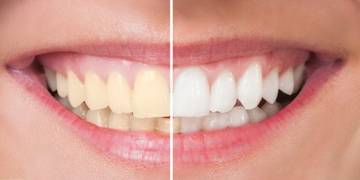
A brilliantly white smile remains one of the most desired outcomes in modern dentistry. From natural yellowing with age and dietary stains to trauma or medication effects, tooth discoloration affects millions. With the rise of dental implants and increasingly aesthetic restorations, the need for effective, safe, and lasting tooth whitening solutions has never been higher.
This expert guide covers the science, pros and cons of popular methods, relevancy for implant patients, and the latest innovations for those seeking to brighten their smiles in 2025.
How Tooth Whitening Works: Science and Mechanisms
Most whitening treatments utilize peroxide-based bleaching agents—hydrogen peroxide and carbamide peroxide—to break down complex pigment molecules in the enamel and dentin. These agents diffuse into the tooth structure, chemically altering stains and making the tooth appear whiter.
-
Hydrogen peroxide: Fast-acting, used mainly for professional and rapid treatments.
-
Carbamide peroxide: Slower release, prevalent in dentist-prescribed home kits.
The whitening process is non-erosive when performed correctly, but higher concentrations require expert supervision to avoid sensitivity, gum irritation, or enamel weakening.
Professional Whitening Methods: In-Clinic Excellence
In-Office Laser and Light-Activated Whitening
Laser and advanced light systems such as “Zoom” and AI-enhanced devices remain the fastest, most powerful whitening solutions. Treatments last 30–60 minutes and can deliver visibly whiter teeth—often several shades brighter—in a single session.
Innovations for 2025 include:
-
Smart, individualized light activation adjusted for enamel thickness and patient sensitivity.
-
Combined whitening and remineralization gels to reduce post-treatment sensitivity.
-
Safety protocols that minimize gum irritation and achieve lasting results.
Dentist-Prescribed Take-Home Whitening Kits
Custom-fitted trays generated via digital scanning and 3D printing ensure optimal gel distribution, comfort, and minimal leakage. These kits utilize lower-concentration professional-grade peroxide, providing gradual, even whitening over 7–14 days.
Pros:
-
Strong, even results with reduced risk of gum irritation.
-
Ongoing touch-ups after in-clinic treatment.
-
Continuous dentist supervision allows for safe adaptation in case of sensitivity.
At-Home Whitening: Convenience and Caution
Whitening Strips and LED Kits
Whitening strips and LED light-activated trays have gained enormous popularity for their ease of use. The peroxide concentration in strips offers moderate results over 1–2 weeks, suitable for mild stains. LED kits employ light activation to accelerate whitening, making them effective for deeper stains.
Tips for best results:
-
Always follow recommended usage instructions: excessive use increases the risk of sensitivity.
-
Use desensitizing gels if discomfort occurs.
-
Dry teeth thoroughly before application for better gel contact.
Whitening Toothpaste and Mouthwash
Modern whitening toothpaste includes gentle abrasives and low-dose peroxide or PAP (phthalimidoperoxycaproic acid), a safe plant-based whitening compound. They offer daily stain removal, enamel protection, and are safe for long-term use.
Whitening mouthwashes may slightly diminish surface stains, but do not substitute for dedicated whitening treatments.
New Innovations in Tooth Whitening
-
Nanotechnology-based gels: Infuse nano-hydroxyapatite to remineralize enamel while whitening, particularly beneficial for sensitive patients.
-
Plant-based whitening agents (PAP): Non-peroxide alternatives with demonstrated whitening effect and minimal enamel damage, perfect for sensitive users or implant recipients.
-
AI-powered progress tracking apps: Help patients document changes and avoid overuse, ensuring safe, effective whitening.
-
Advanced LED and tray systems: Offer shorter treatment times and increased comfort.
Special Considerations for Dental Implants, Crowns, and Veneers
Teeth whitening only affects natural enamel and dentin. Dental implants, ceramic crowns, bridges, and porcelain veneers do not respond to bleaching agents. Patients may encounter color mismatches if whitening is performed after implant or crown placement.
Implant Patient Advice
-
Consult your dentist before starting whitening treatment to avoid mismatched tooth shades.
-
Whiten natural teeth to the desired color before finalizing implant prosthesis shade.
-
Do not apply gel to implant surfaces or crown margins—may not be effective and could irritate surrounding tissue.
-
Professional supervision ensures safe outcomes without risking peri-implant health.
Safety First: Precautions and Risk Management
Tooth whitening is generally safe when performed correctly. Risks include:
-
Sensitivity: Especially in younger patients or those with exposed roots. Use desensitizing toothpaste (containing potassium nitrate or fluoride) before and after whitening.
-
Gum irritation: Improper tray fit or overuse, particularly from OTC products.
-
Enamel damage: Associated with abrasive DIY home remedies (charcoal, lemon juice, baking soda) rather than properly formulated whitening agents.
-
Overuse: Follow all product/dentist instructions; excess whitening can thin enamel.
Who Should Avoid Whitening?
-
Pregnant or breastfeeding women (unless medically approved).
-
Children under 16, due to ongoing tooth development.
-
Patients with untreated cavities, gum disease, or significant dental erosion—these issues must be resolved first.
Natural Remedies: Efficacy and Warnings
Popular home techniques (baking soda paste, oil pulling, activated charcoal) offer limited and slow stain removal. Some natural acids (lemon juice, apple cider vinegar) can erode enamel and are not recommended by dental experts.
Fruits like strawberries and pineapple offer mild surface cleansing but will not replicate professional whitening results.
Maintenance After Whitening: Long-term Strategies
-
Use a soft-bristle brush and gentle toothpaste to maintain whiteness and enamel health.
-
Avoid high-stain foods (coffee, tea, red wine), or brush/rinse soon after consumption.
-
Schedule regular dental cleanings—plaque and tartar buildup dulls results.
-
Retouch with dentist-approved home kits as needed for maintenance.
Tips for implant recipients:
-
Avoid using abrasives on crowns, bridges, or implant abutments.
-
Maintain excellent oral hygiene and regular check-ups to prevent peri-implant disease.
Frequently Asked Questions
Can whitening damage my implants or crowns?
No, whitening does not affect restorations, but it may change natural tooth color, resulting in mismatches. Always consult your dentist.
How long do results last?
Typically 6–12 months depending on oral hygiene, diet, and maintenance. At-home touch-ups prolong effects.
Will whitening work if I have sensitive teeth?
Sensitivity is manageable. Use desensitizing toothpaste, lower concentration gels, and avoid overuse.
Are some people not candidates for whitening?
Patients under 16, with active oral disease, major restorations, or allergy to ingredients should not whiten without professional advice.
Myths and Facts
-
Myth: All whitening is harmful.
Fact: When used as directed, dental whitening is safe, effective, and non-destructive. -
Myth: Whitening is permanent.
Fact: Results fade over time; periodic maintenance is needed. -
Myth: Whitening toothpaste is as effective as professional whitening.
Fact: Toothpastes maintain but cannot dramatically change color.
Advanced Tips for Lasting, Safe Whitening
-
Book professional cleanings before whitening—removes tartar and exposes stains.
-
For severe discoloration or multiple aesthetic challenges, pair whitening with replacement crowns, veneers, or cosmetic bonding for uniform results.
-
Use AI-enhanced tracking apps to monitor progress and avoid over-whitening.
Conclusion: Achieve Your Best Smile—Safely and Effectively
Modern tooth whitening offers personalized solutions for nearly every patient. Whether in-clinic, with custom take-home kits, or using select OTC options, today’s evidence-based techniques balance dramatic results with safety. Patients with dental implants or complex restorations must plan whitening under expert guidance, preserving both aesthetic harmony and oral health. Consult your dentist for personalized advice—your whiter, brighter smile begins with expert care in 2025.